
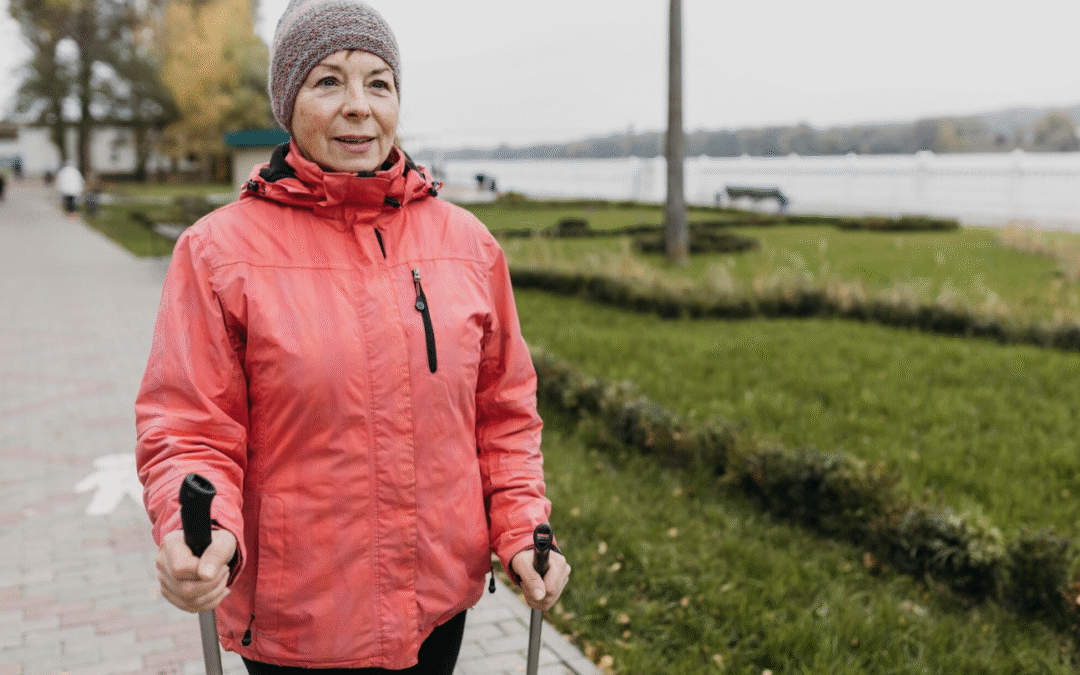
As winter sets in, it’s common to notice more aches, that familiar morning stiffness and a natural dip in mood. Shorter, darker days mean we often become less active, which can create a cycle where stiffness makes movement harder, and lack of movement worsens our mood.
The good news? You have the power to break this cycle using your body’s own built-in chemical boosters. As we touched on earlier in the month, movement is not just a remedy for stiffness; it’s a powerful natural antidepressant. At Bodyfixit, we want to show you how a few simple, intentional habits can help you harness the D.O.S.E. of happiness you need to thrive this winter.
The Chemistry of Happiness: How Movement Boosts Your D.O.S.E.
You can influence your emotional state by nurturing the four key neurochemicals that regulate mood, pleasure and motivation. Consistent, gentle movement like Pilates is one of the most effective ways to trigger their release:
- Dopamine (D): This chemical controls motivation, reward, and focus. Any form of exercise, from completing a brisk walk to finishing a Pilates session, gives you a rewarding sense of achievement, fueling your motivation to keep coming back. You can boost this chemical further by setting and achieving small movement goals, like walking to a new viewpoint in a park, which provides that satisfying neurological ‘tick.’
- Oxytocin (O): Known as the ‘cuddle hormone,’ Oxytocin fosters bonding, trust, and connection. This chemical is released during positive social interaction (like sharing a laugh in a small class) or through deep feelings of peace and calm. Studies show that spending time amongst trees or in a quiet, green space can dramatically lower heart rate and reduce stress, helping to trigger this calming, bonding response.
- Serotonin (S): This chemical is key to mood stabilisation and good sleep. It is naturally stimulated by exposure to sunlight (even weak winter sun!) and rhythmic, mindful movement like walking, swimming, or following the controlled flow of a Pilates class. The combination of focused movement and exposure to natural light directly helps to regulate your nervous system, leading to mood stability and better sleep quality.
- Endorphins (E): These are your body’s natural painkillers and stress reducers. Any moderate-intensity exercise is the primary trigger for endorphins, giving you that feeling of euphoria or “runner’s high” that eases physical aches and reduces overall stress. Even a short burst of activity, or the profound physical release felt during a long stretch, can release these powerful chemicals, making movement the perfect relief for chronic winter tension.

Lifestyle Habits to Maximise Your D.O.S.E.
You can boost your mood chemicals even outside of exercise:
- Dopamine: Break down large tasks into smaller, rewarding steps. Even ticking off your 5-minute daily stretch counts!
- Oxytocin: Spend quality, focused time with loved ones, or engage in a few minutes of self-soothing gentle massage or stretching.
- Serotonin: Maximise your exposure to natural light when possible, and ensure you’re getting adequate amounts of Vitamin D (as discussed earlier in the month!) and nutrients that support gut health.
- Endorphins: Beyond exercise, find time to laugh! Watching a funny film or listening to upbeat music are simple, proven ways to trigger an endorphin release and lift your spirits instantly.
Pilates is particularly supportive in darker months because it combines this mindful movement, stress relief and physical strength, hitting every pillar of your winter well-being.

Managing Aches and Stiffness in Darker Days
Beyond the mental benefits, regular movement is the best defense against physical discomfort:
- Lubrication and Warmth: Gentle, rhythmic movement effectively lubricates your joints, easing that familiar morning stiffness. It also increases blood flow, bringing natural warmth to your muscles and circulation more effectively than cranking up the heating.
- Posture Support: As we spend more time indoors, we are often more likely to “hunch” over devices or on the sofa. Stretching and strengthening movements in Pilates directly support better posture, helping to counteract the strain that leads to neck and back pain.
- Endorphin-Eased Pain: When an ache starts, the natural reaction is to stop moving. However, engaging in gentle exercise releases those endorphins (your body’s natural painkillers), helping to ease discomfort without causing further strain.
