
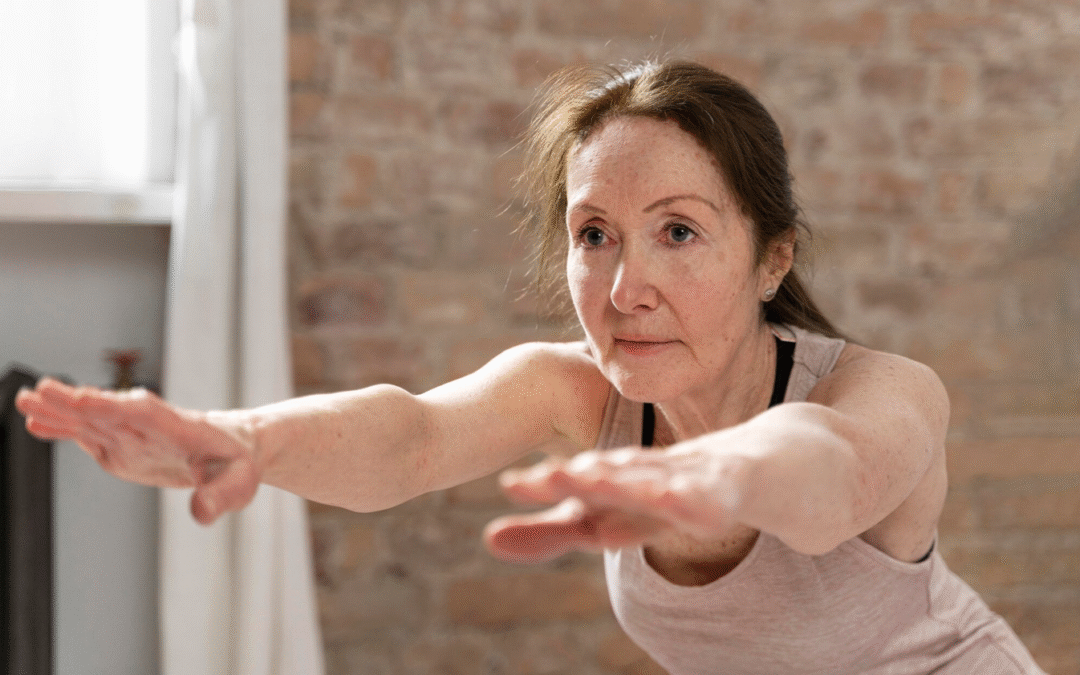
December can feel joyful but also overwhelming. Shopping, planning, and social events all add up, leaving many of us feeling drained. But movement can be a powerful way to recharge and release stress!
While cozy soup and warm drinks are lovely, staying active is crucial for maintaining the health of your muscles and bones during the colder months. Movement prevents the common winter stiffness and keeps your body resilient.
At Bodyfixit, we believe in proactive care to help you feel warm, loose and energised all winter long.
Why Winter Requires Special Attention
The winter chill brings more than just wardrobe changes; it leads to stiffness and reduced flexibility in our muscles and joints. The combination of spending more time inside and slowing down physically contributes to that “creaky” feeling. To combat this and keep your body in top shape, consistency in movement is key.
Movement: Your Natural Internal Heater
The simple act of moving your body is a powerful way to combat cold and stiffness:
- Boosted Circulation: Gentle movement significantly increases blood flow, bringing natural warmth to your muscles and easing stiffness more effectively than just cranking up the heating.
- Joint Lubrication: Moving your joints through their full range of motion helps circulate the natural fluid inside them, keeping them supple and preventing that “creaky” feeling.
- Mood Elevation: Consistent movement helps combat the winter blues and supports better sleep.

The 10-Minute Recharge Rule
The best news is that you don’t need hours to feel the benefit. In fact, trying to fit in an hour-long session might just add more stress!
This December, adopt the 10-minute recharge rule. Just 10 minutes of controlled movement can help you feel lighter and more centred than you were before. Our Pilates classes are specifically designed to deliver this powerful combination of strengthening, stretching and mindful breathing in one session, making them the perfect way to reset, restore, and maintain your peace throughout the holidays.

Stretches for Flexibility
Neck and Shoulder Stretch: Combat the tension accumulated from winter activities with a gentle neck and shoulder stretch. While seated or standing, tilt your head to one side, bringing your ear towards your shoulder. Work your way into it gently and slowly and feel the stress release as the muscles lengthen. Hold for 15-30 seconds on each side, repeating as needed.
Spinal Twist: For spine flexibility, try a seated or lying spinal twist. Sit or lie down, cross one leg over the other, and gently twist your torso in the opposite direction. This stretch promotes spinal health and helps prevent winter-related back pain.
Exercises for Strength
Bodyweight Exercises: Maintain muscle strength without fancy equipment with bodyweight exercises. Squats, lunges, planks, wall sits, and push-ups can all be done at home—or in the workplace if you’re brave and discrete—promoting overall strength and flexibility.
Indoor Cardio Workouts: Don’t let the cold hinder your cardiovascular health. Incorporate indoor activities like jumping jacks, high knees, or even dancing to keep your heart pumping and maintain your fitness levels.
Balance and Stability Exercises
Single-Leg Stands: Enhance stability by incorporating single-leg standing exercises. Stand on one leg for 15-30 seconds, switch, and repeat. This helps improve balance, crucial for navigating icy sidewalks.
Heel-to-Toe Walk: Boost stability with a heel-to-toe walking exercise. Take small steps, placing the heel of one foot directly in front of the toes of the other. This exercise enhances joint stability and might even prevent a winter slip or fall.
Adapting Workouts for Various Fitness Levels
Whether you’re a fitness enthusiast or a beginner, these stretches and exercises can be adapted to your fitness level. Start slow and gradually increase the intensity, duration, and reps, allowing your body to adjust to the winter routine.

Tips for Safe Winter Workouts
- Warm-Up Adequately: Before diving into any exercise routine, it’s important to warm up. Perform light cardio, such as jumping jacks or jogging in place, for 5–10 minutes to increase blood flow and prepare your muscles and joints for activity.
- Wear Appropriate Attire: If you venture outdoors, dress in layers to stay warm. Wear moisture-wicking base layers, insulating layers, and a waterproof outer layer to protect against the elements.
- Hydration and Nutrition: Even in cold weather, staying hydrated is vital, as you lose moisture through breath. Drink water before, during, and after your workout. Additionally, maintain a balanced diet to support your body’s nutritional needs, particularly focusing on Vitamin D.