When we think of strength, we often think of the muscles we can see, like toned arms or strong legs. But your core is actually the most important muscle group in your entire body.
Think of your core as the foundation of a house. You can have the most beautiful windows and doors (your arms and legs!), but if the foundation is shaky, the whole house is at risk.
Core Strength for Real Life
At Bodyfixit, we don’t train the core so you can look like an athlete on a magazine cover. We train it so you can handle the tasks your life actually demands:
- Lifting the Shopping: Whether it’s a heavy bag of potatoes or a case of water, a strong core fires before your arms move, protecting your spine from the “strain.”
- Picking up Grandchildren: Toddlers are heavy and move unpredictably! A stable core allows you to scoop them up safely without that dreaded back twinge.
- Getting up from the Floor: Whether you’re playing with a pet or gardening, a strong core is what makes getting back on your feet feel smooth and effortless.
- Gardening without the “Pull”: Digging and weeding are heavy work. Your core acts as a natural weight belt, ensuring your lower back isn’t doing the work it wasn’t designed for.

The “Core Box”: It’s Much Bigger Than You Think
Most people think Core = Abs, but your core is actually an interconnected group of muscles that form a sturdy box around your centre. If one side of the box is weak, the whole structure feels unstable.
- The Front (The Corset): This includes the Transversus Abdominis. It’s your deepest abdominal muscle and acts like a natural corset, wrapping horizontally around your waist to stabilize your spine.
- The Back (The Pillars): Muscles like the Multifidus and Erector Spinae run along your spine. They are the “pillars” that keep you upright and prevent that heavy, aching feeling after a long day.
- The Bottom (The Floor): Your Pelvic Floor muscles are the base of the box. They support your internal organs and work in tandem with your breath to manage stability.
- The Top (The Roof): Your Diaphragm is the roof. This is why you cannot have a strong core without proper breathing—every inhale and exhale changes the pressure and support inside that “box.”
- The Powerhouse (The Hips & Glutes): Yes, your glutes are part of your core! They influence hip rotation and provide the power needed to stand up from a chair or climb stairs.

The Hidden Core: Breathing & The Diaphragm
One of the biggest surprises for people starting Pilates is how much we talk about breathing.
Your core is a canister. The front is your abs, the back is your spine muscles, the bottom is your pelvic floor, and the top is your diaphragm (the muscle you breathe with).
If you hold your breath when you lift something heavy, you create pressure that doesn’t have anywhere to go, this is often why people pull their backs. By learning to exhale on the effort, you knit your core muscles together, creating a solid platform of support.

Why The Right Exercise Matters
You don’t need to do 100 crunches. In fact, traditional sit-ups can actually put more pressure on your spine. Any exercise that involves the use of your stomach muscles and back muscles in a coordinated way counts as a core exercise. For example, using free weights while keeping your core stable trains and strengthens many of your muscles, including your core muscles.
We focus on functional core work; exercises that teach your body to stay stable while your limbs are moving. It’s about building a body that is resilient enough to handle your busy life with ease.
Why Pilates IS Core Training (At Its Very Heart)
You might wonder why we don’t just give you a list of abs exercises. It’s because Pilates was designed specifically to bridge the gap between these muscles.
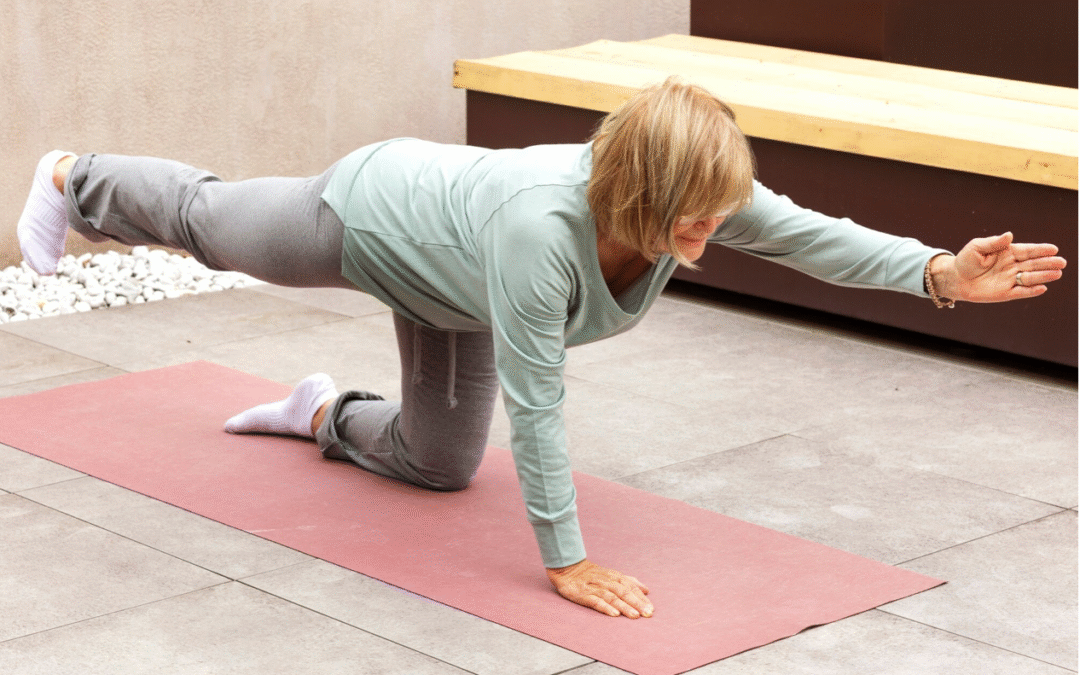
- Controlled Progression: Unlike traditional crunches, Pilates uses “non-spinal movement” (like the Plank or Dead Bugs) to build strength without the grind.
- The Stable Platform: Pilates teaches your core to fire before you move your arms or legs. This creates a stable platform so that when you reach for a heavy bag, your spine is already protected.
- Breath as a Tool: In Pilates, we don’t just breathe to stay alive; we use the breath to engage the diaphragm and pelvic floor. This knits the top and bottom of your core box together.
- Usable Range: We don’t just train you to be strong while holding still. We train you to be strong while twisting, reaching, and bending the movements of real life.

Reducing Pain & Preventing Injury
It’s a common cycle: your back feels tweaky, so you move less, which makes your core weaker, which makes your back feel even more vulnerable.
Building a strong core is one of the most effective ways to break this cycle. Here is how it works as your Internal Body Armour:
- Stabilising the Lower Back: As we age (and especially after menopause), the quality of our deep spinal muscles can decrease. A strong core acts like a natural back brace, taking the load off your vertebrae and discs so they don’t have to bear your entire body weight alone.
- The Trip Insurance: Occasional stumbles are a part of life, but a strong core is what allows you to catch yourself. It improves your coordination and postural reaction; meaning your body can stay upright even if you lose your balance on an uneven garden path.
- Preventing Secondary Injuries: If your core is weak, your body will recruit other muscles to help out. This is why a weak core often shows up as knee pain or shoulder tension. By strengthening the center, you stop these other areas from being overworked.
- A Safer Starting Point: For those dealing with chronic pain, heavy weightlifting can feel intimidating. Core-focused movement like Pilates is a much safer, lower-impact way to start building resilience without the fear of a flare-up.

Reference: https://www.