
If you’ve been following our newsletters for a while, you know we talk a lot about the importance of keeping your muscles strong. But a massive, brand-new study just published in the British Journal of Sports Medicine has brought out some science so powerful, we just had to shine a spotlight on it today.
Scientists followed nearly 150,000 people for up to 30 years to find out exactly how resistance training affects our longevity. The results were clear: building a bit of strength isn’t just about looking toned, it is quite literally life-saving insurance for your body.

The Sweet Spot (It’s less than you think!)
When people hear “weight training,” they often picture spending hours lifting heavy iron in a loud gym. But the data found something wonderful.
The ultimate “sweet spot” for longevity is just 90 minutes to 2 hours of resistance work per week. That breaks down to less than 20 minutes a day.
By hitting that small target, the study showed a:
- 13% lower risk of early death from any cause.
- 19% lower risk of dying from heart disease or stroke.
- 27% lower risk of dying from neurological conditions like dementia.
The best part? Exceeding two hours a week didn’t offer any extra survival benefits. Your body doesn’t want you to live in the gym; it just wants regular, consistent, smart resistance.
How much weight is enough?
One of the most common questions when talking about strength training is, “Do I need to lift heavy weights to get these benefits?” The short answer is no.
The study wasn’t looking at how much weight people could lift; it was looking at muscle activation. For your body to build resilience, the resistance just needs to feel challenging by the last few repetitions, not impossible.
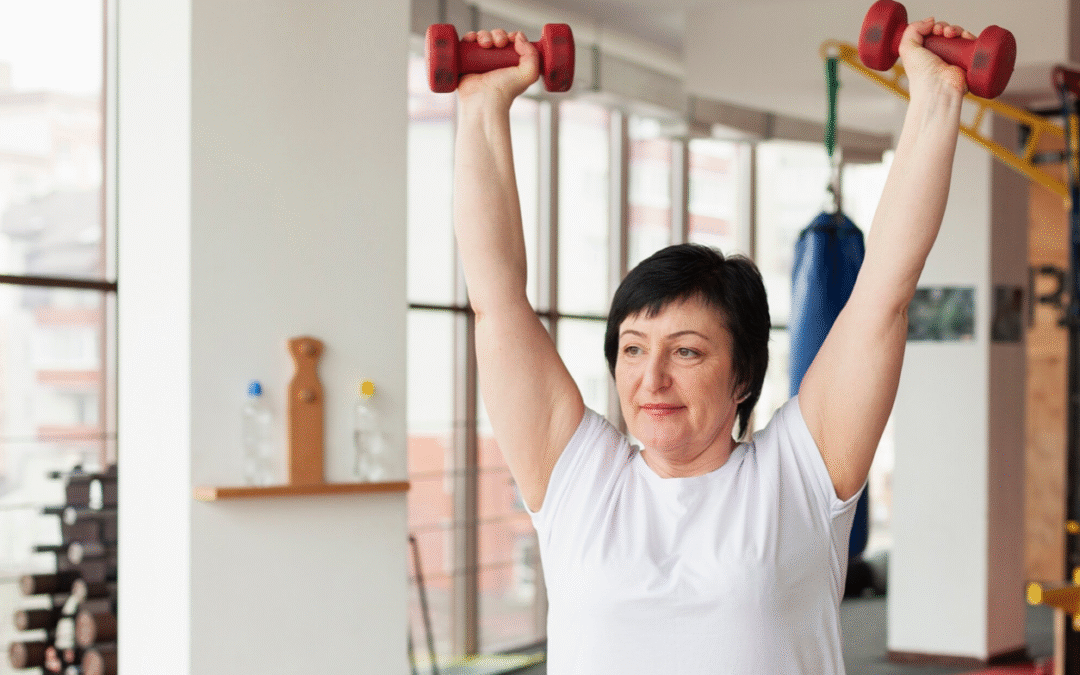
- The 1kg Magic: For many beginners, or those recovering from shoulder or back stiffness, a pair of 1kg or 2kg dumbbells is a fantastic starting point.
- The Kitchen Cupboard Option: If you don’t own dumbbells, two standard tins of baked beans or soup weigh about 400g each. Holding these while moving completely changes how your core, shoulders, and back have to stabilise your body.

The “While Dinner’s in the Oven” Workout
Remember, the magic daily target is less than 20 minutes. You don’t need to change into gym gear or block out an hour of your day. You can easily clock up your strength minutes by “habit stacking” – tacking gentle movements onto things you are already doing.
Here is a simple, no-sweat routine you can do in your kitchen while waiting for the oven timer to go off:
- The Kitchen Counter Push-Up (30 seconds): Step your feet back, place your hands on the edge of your kitchen counter, and lower your chest toward it, keeping your body in a straight line. This builds chest, shoulder, and core strength without the pressure of a full floor push-up.
- The Dinner-Bell Squat (10 repetitions): Stand with your feet hip-width apart. Hold your 1kg dumbbells (or soup tins) at your chest and gently lower your hips back as if you’re about to sit on a kitchen chair, then press through your heels to stand tall. This strengthens your thighs and glutes for easier walking.
- The Cupboard Reach (12 repetitions): Holding your light weights by your side, gently squeeze your shoulder blades together and lift the weights out to the side until your arms form a “T” shape. This strengthens the upper back muscles that protect your neck.
- The Bicep-to-Stir Curl (12 repetitions): While waiting for a pot to simmer, keep your elbows tucked into your sides and curl your weights up to your shoulders. This builds the arm strength needed for carrying heavy shopping bags.
By doing this just three times a week, you are effortlessly ticking off a massive chunk of your weekly longevity target!

The 58% Formula
While strength training on its own is incredibly protective, the researchers found a superpower combination.
The people with the absolute lowest risk of illness, boasting an incredible 58% drop in mortality risk, were those who combined their weekly strength sessions with regular aerobic activity (like a brisk daily walk).
Think of it this way: your walks take care of your heart and lungs, while your strength sessions build the “chassis” that supports your joints and keeps you upright. Together, they are the ultimate formula for aging gracefully.
How to Start Safely (Without the Burnout)
If you haven’t done much strength work before, or you’re managing stiffness and old injuries, the experts in the study gave a clear blueprint for how to start safely:
- Start with a Movement Screen: Before adding weight or resistance, have a professional check your baseline. How are your hips hinging? Is your core stabilising? Mapping your movement pattern first prevents injury down the line.
- Keep it Simple and Light: You don’t need to be sore to the bone for it to “count.” Start with light resistance bands, bodyweight, or light weights that you can control beautifully.
- Make it Bespoke: Your anatomy is unique to you. A routine that works for a 25-year-old influencer will likely cause a flare-up for a 50-year-old gardener. Work with a plan tailored to your goals.
- Prioritise the Recovery: Muscles don’t get stronger while you work out, they get stronger when you rest, hydrate and sleep.
